Our 4 Phase Approach To Care
We proudly serve patients throughout Alpine, Lehi, Highland, Cedar Hills, and American Fork, UT with expert physical therapy care.
At Alpine Physical Therapy, our comprehensive physical therapy program is built around a proven 4-Phased Approach to Care. Instead of only treating pain, we focus on restoring movement, rebuilding strength, improving endurance, and preventing future injury.
Each phase builds upon the previous one to ensure long-term recovery — not just temporary relief.
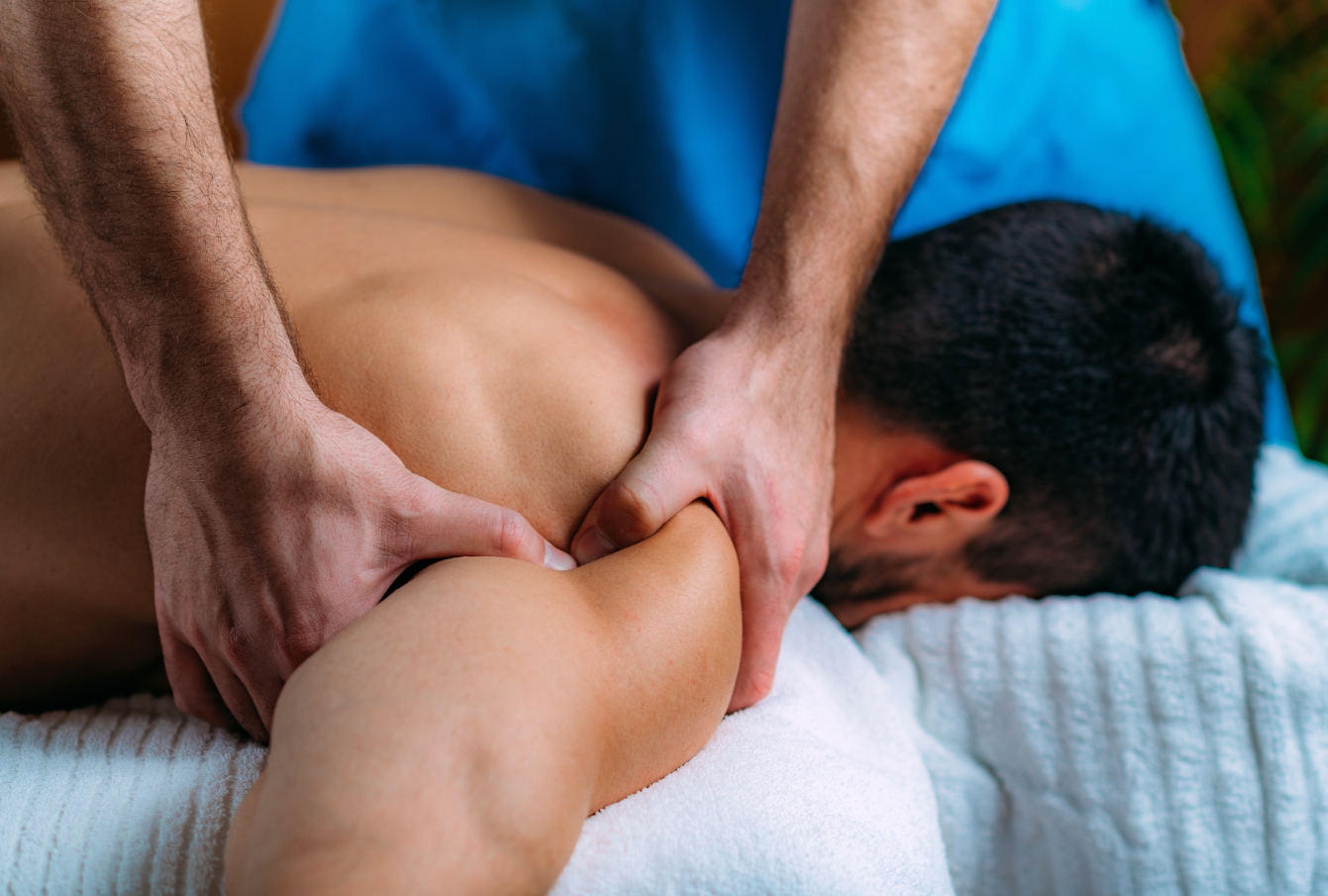
Phase 1: Pain Relief & Inflammation Reduction
The first step in physical therapy is reducing pain, swelling, muscle tension, and inflammation so you can move comfortably. We use hands-on techniques and advanced recovery tools to address acute injuries, chronic pain, and post-surgical discomfort.
Techniques Used:
Active Release Technique (ART), Joint Mobilization, Graston Technique, Manual Therapy, Red Light Therapy, Massage Therapy
Benefits:
- Reduces pain and inflammation
- Decreases muscle tightness and joint stiffness
- Improves mobility for active rehab
- Prepares the body for movement and strengthening

Phase 2: Mobility & Flexibility Restoration
Once pain is controlled, we focus on restoring proper joint movement and flexibility. Limited range of motion increases re-injury risk — so improving mobility is essential for long-term success.
We use movement assessments like SFMA and Functional Movement Screening (FMS) to identify restrictions and dysfunctions.
Benefits:
- Improves range of motion
- Corrects movement dysfunction
- Reduces stiffness and joint restrictions
- Supports safe return to daily activity
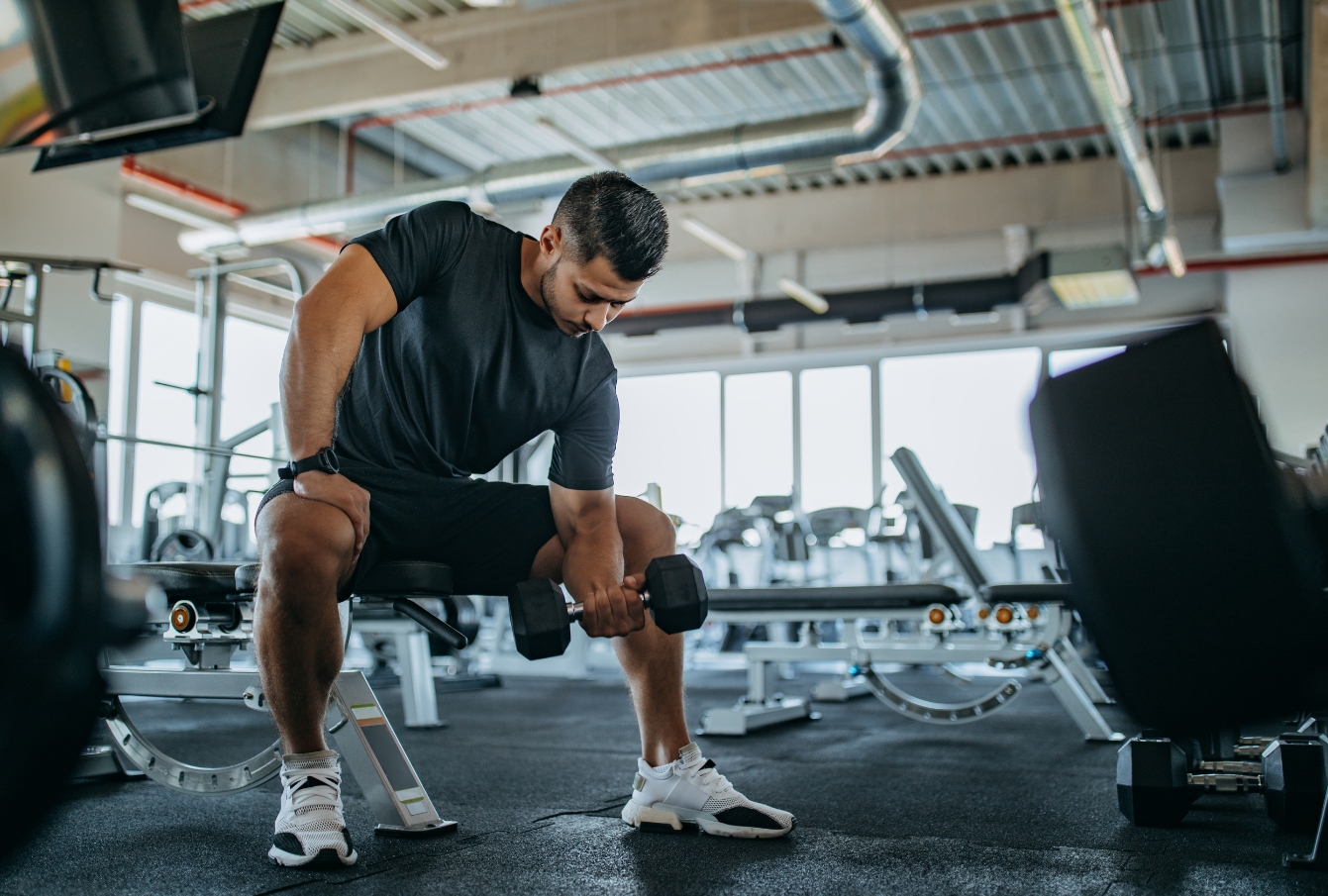
Phase 3: Strengthening & Core Stability
Strength is critical for joint protection and injury prevention. This phase focuses on rebuilding muscle strength, improving core stability, and restoring proper biomechanics.
We design customized rehabilitation programs for spine care, sports injuries, joint replacement recovery, and athletic performance.
Services Integrated:
Sports Medicine, Post-Surgical Rehab, Joint Replacement Rehab, Strength Training
Benefits:
- Builds muscle strength and stability
- Improves posture and alignment
- Supports spine and joint health
- Reduces risk of recurring injuries

Phase 4: Endurance & Functional Performance
The final phase prepares your body for long-term success in everyday life, sports, and physical activity. Endurance training improves stamina, circulation, and tissue resilience.
We incorporate progressive loading, conditioning, and performance-based exercises to ensure lasting results.
Benefits:
- Improves muscular endurance
- Enhances cardiovascular conditioning
- Supports long-term injury prevention
- Prepares you for sustained activity
Why Our 4-Phased Physical Therapy Approach Works
Many patients feel better after early treatment — but stopping too soon increases the chance of symptoms returning.
Completing all four phases ensures:
✔ Pain relief
✔ Restored mobility
✔ Improved strength
✔ Increased endurance
✔ Reduced risk of future injury
Our goal at Alpine Physical Therapy is not just short-term pain relief — but complete functional recovery.
Do We Accept Your Insurance?
We accept most major insurances. View our list to see if your insurance is accepted.
Start Recovering Today
FAQs
What are the 4 phases of physical therapy?
The 4 phases of physical therapy typically include pain relief, mobility restoration, strengthening and core stability, and endurance training. This structured approach ensures injuries are treated from symptom reduction to functional recovery, helping improve movement, reduce pain, and prevent re-injury through progressive rehabilitation.
What helps a muscle heal faster?
Muscle healing improves with proper rest, controlled movement, manual therapy, targeted strengthening, and good circulation. Techniques like joint mobilization, Active Release Technique (ART), Graston Technique, red light therapy, and guided exercise help reduce inflammation, break up scar tissue, and promote tissue repair during physical therapy.
What is the 80/20 rule in physical therapy?
The 80/20 rule means that most recovery results come from consistent completion of key exercises and rehab principles rather than perfect performance. In physical therapy, focusing on the most effective movements, mobility work, and strength training often produces better outcomes than overcomplicating treatment.
How much physical therapy is recommended?
The number of physical therapy sessions depends on the condition, injury severity, and goals. Acute injuries may require a few weeks of treatment, while post-surgical rehab or chronic pain conditions may require longer progression through multiple phases to restore strength, mobility, and endurance safely.
What are three things a physical therapist does?
What is the most common reason for physical therapy?
The most common reasons for physical therapy include back pain, neck pain, joint injuries, sports injuries, post-surgical recovery, and chronic muscle or mobility limitations. Patients seek care to reduce pain, restore movement, and improve long-term physical function.